 English
 Deutsch
 Español
 Français
 Italiano
 Nederlands
 العربية
 中文 (中国)
 Dansk
 Svenska
 Norsk
 Suomi
 日本語
 Polski

Centro de conocimiento
Ideas para padres activos.
La terapia explicada sin tecnicismos, apoyo real para la crianza, estudios de caso y un poco de vida en Zug: lecturas breves para familias ocupadas.
Lo último
Del equipo.
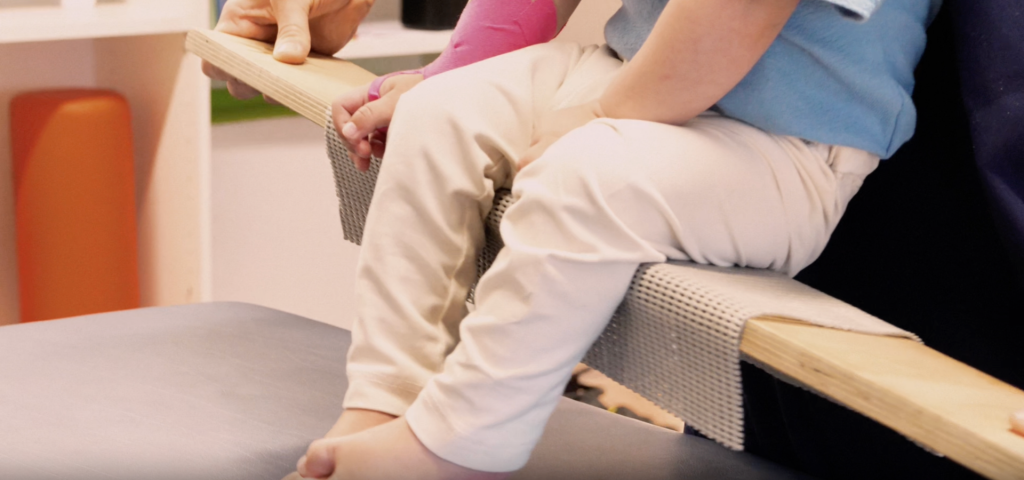
Research bites: the first five years — what new studies mean for families
Four new studies on spotting cerebral palsy early, intensive therapy for toddlers and feeding safety in babies.
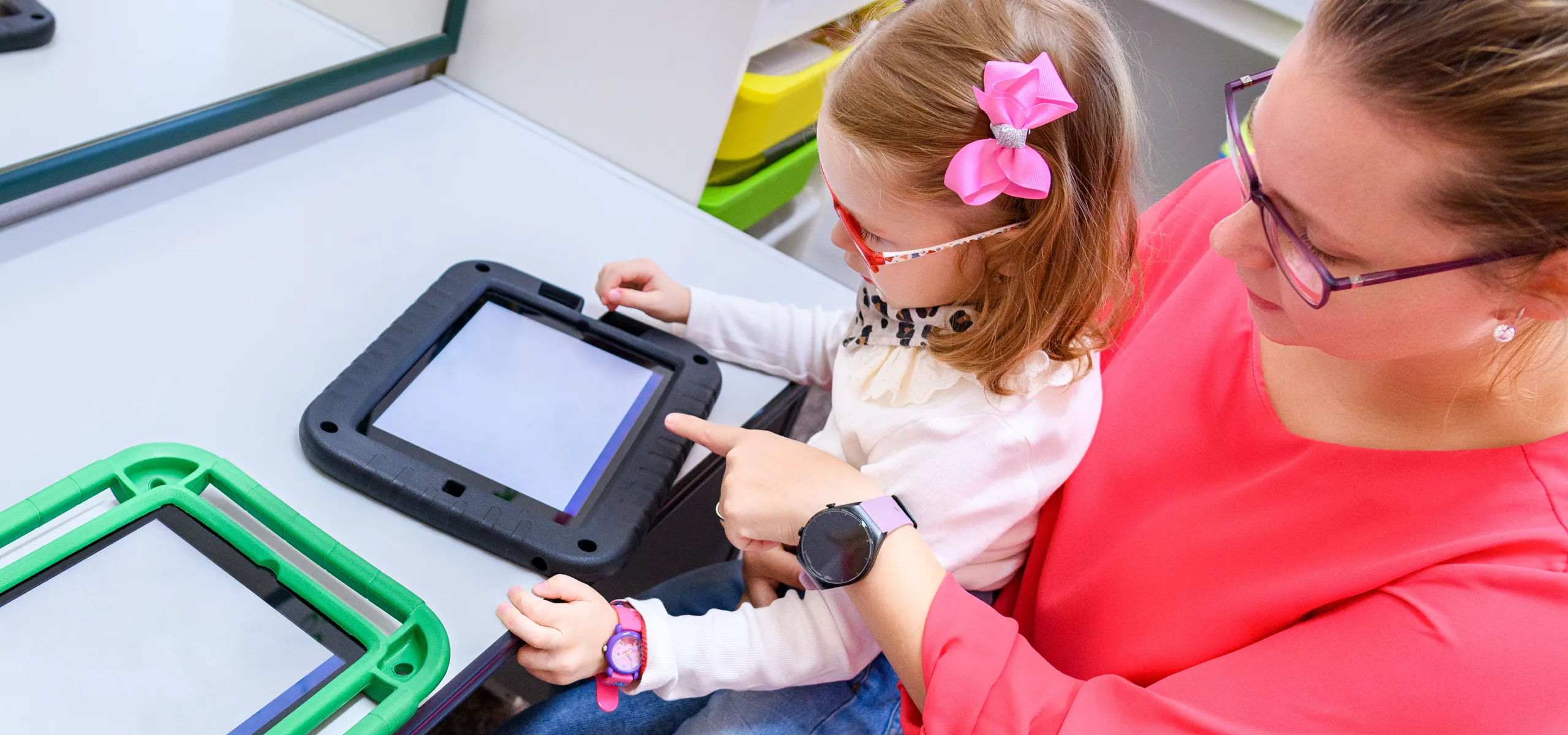
AAC for children: how children who cannot speak find their voice — a guide for parents
Augmentative and alternative communication (AAC) gives children who cannot speak, or cannot be understood, a way to say what they think. What AAC is, which systems exist, what the research says about speech, how movement and seating affect communication — and how we work with your child’s communication team.
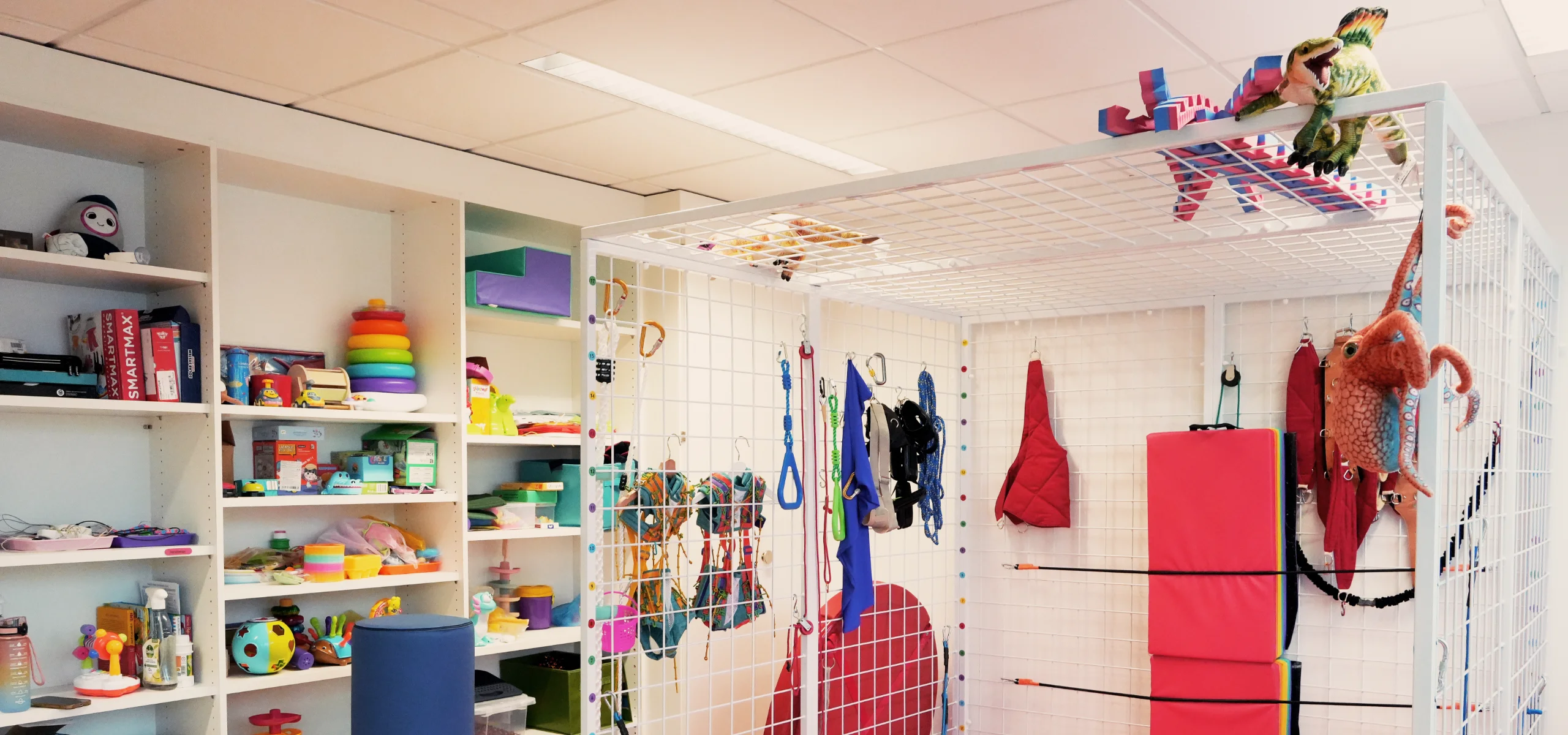
Inclusion at school for children with disabilities: a practical guide for parents and teachers
What inclusive education really means, what your child is entitled to, and the practical things — seating, communication, movement, breaks and friendships — that make inclusion work in a real classroom. With insights from our work with children with complex needs.
Out of My Mind film review: what Disney’s cerebral palsy film gets right — a therapist’s view for parents
A clever girl with cerebral palsy who cannot speak, a talking device that finally lets the world hear her, and a school that has to learn to listen. Our review of Out of My Mind (Disney+, 2024) — what it shows honestly, what it leaves out, and how to watch it with your family.

Inside Apexa QLA Suisse: a paediatric rehabilitation centre in Switzerland built around our little superheroes
800 m² on the shore of Lake Zug, a team we call the Therapieavengers, a therapy dog named Lilly, and one clinical framework — ORCA — behind every plan. This is how our paediatric rehabilitation centre works, and why families travel from all over the world to train with us.
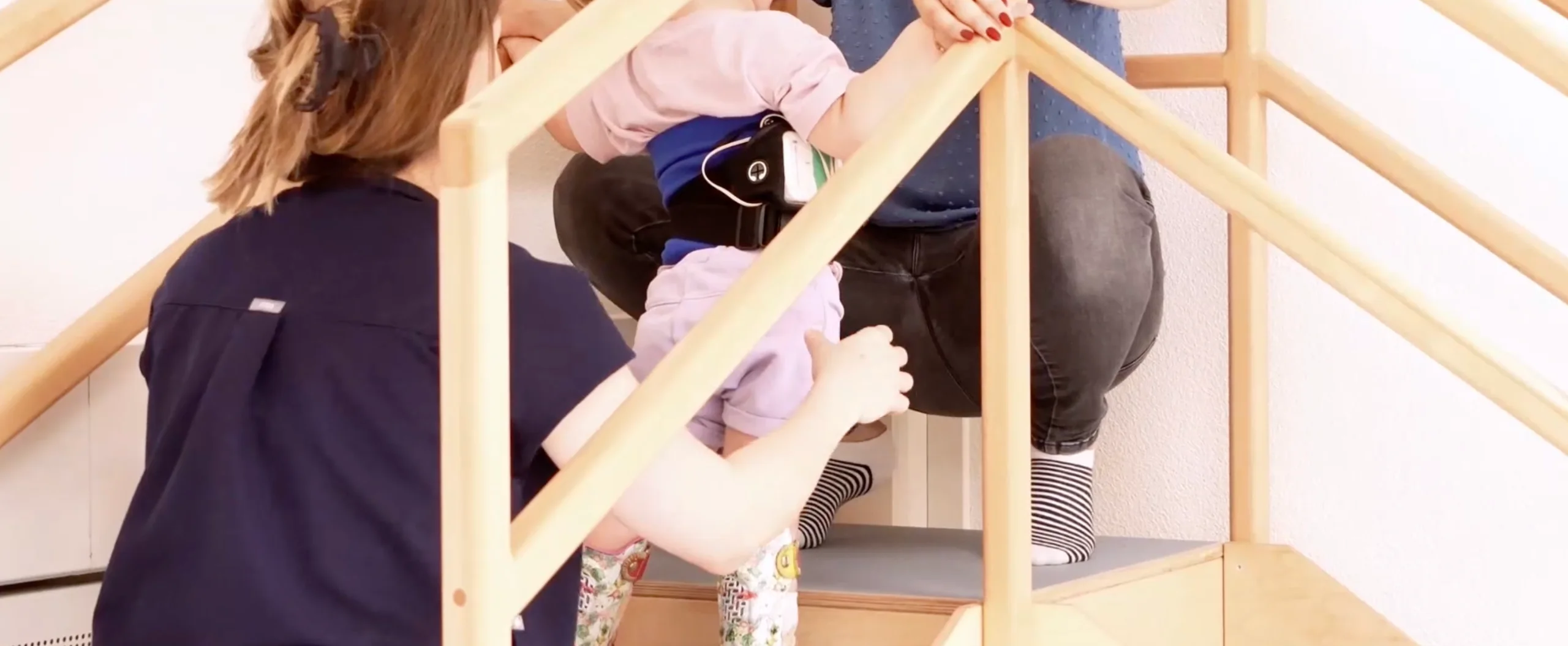
Genetic syndromes and motor delay: physiotherapy and modern rehabilitation that help your child move
A genetic diagnosis is a starting point, not a script. How genetic syndromes affect muscle tone and movement, why early and active therapy matters, and what a good therapy plan looks like — whatever the syndrome, common or rare.
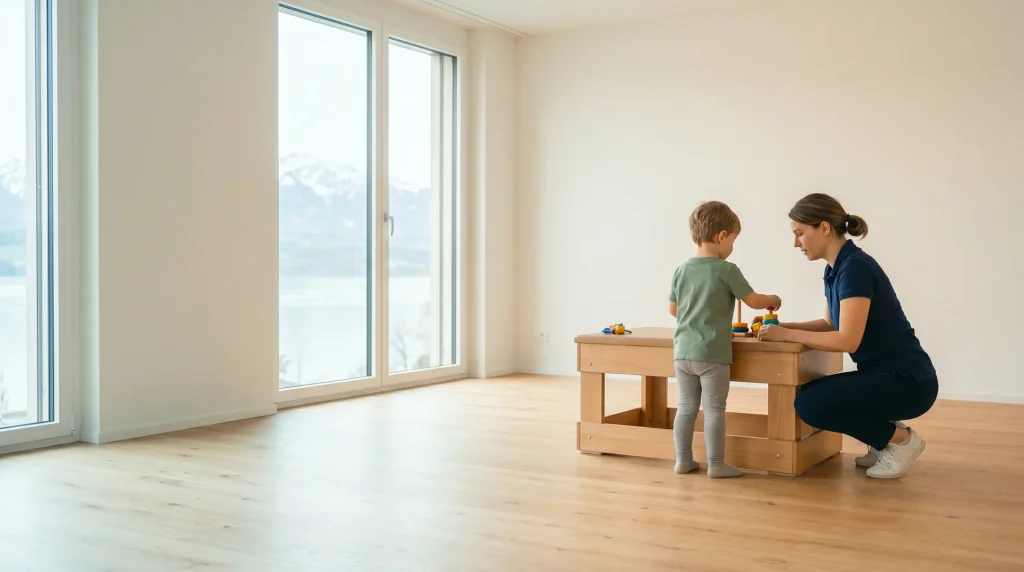
Intensive therapy for cerebral palsy: modern rehabilitation, who it helps and what to expect
Several hours of active therapy a day, for one to four weeks. What intensive therapy for cerebral palsy really involves, why intensity matters for the developing brain, and how to tell whether it is right for your child.
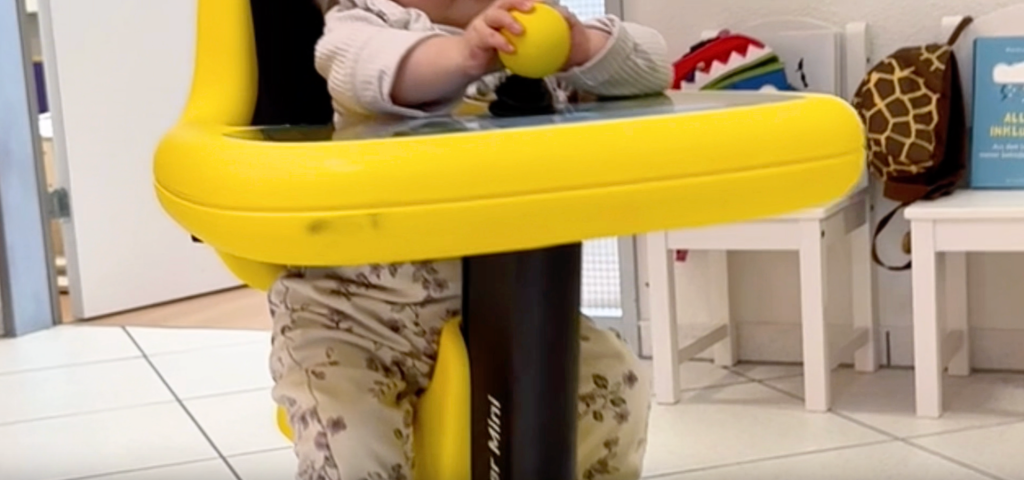
Spina bifida in children: types, treatment and modern rehabilitation for mobility and independence
What spina bifida is, how it is diagnosed and treated, how it affects movement at every level — and how early, active rehabilitation — including spina bifida physiotherapy — helps children build strength, protect their joints and become as independent as possible.
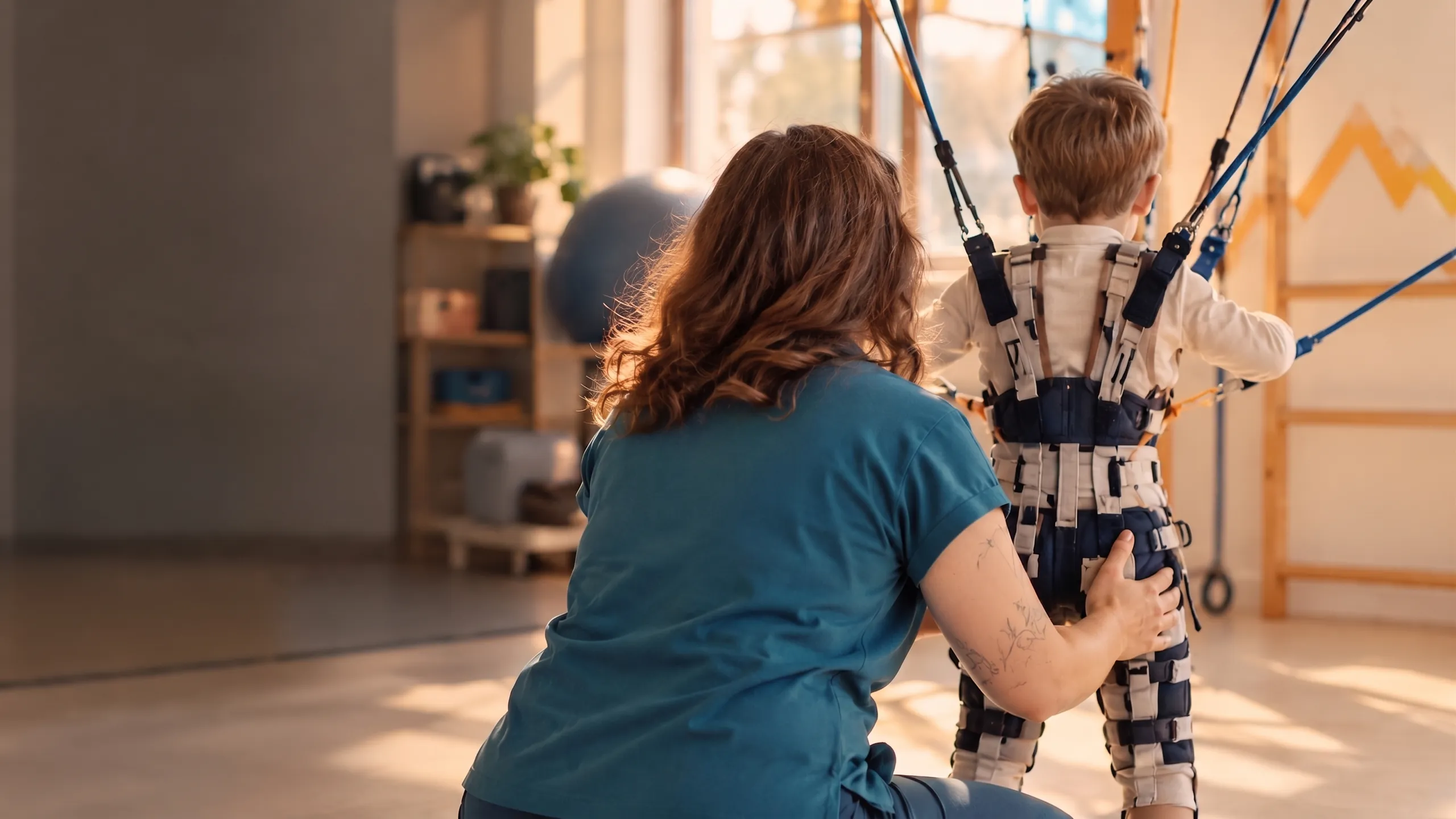
Stroke in children: what parents need to know about recovery and rehabilitation
Children can have strokes too — before birth, as newborns, or later in childhood. Here is what a paediatric stroke is, the warning signs at every age, how it is treated, and how active, intensive rehabilitation helps a young brain rebuild movement.
The 2026 guide to ORCA Intensives
Everything parents ask before their first immersive block — what happens, what to expect, and how to prepare.

ORCA: a holistic approach to supporting your child’s development
What ORCA is, the science of neuroplasticity behind it, who it helps and the tools inside it.
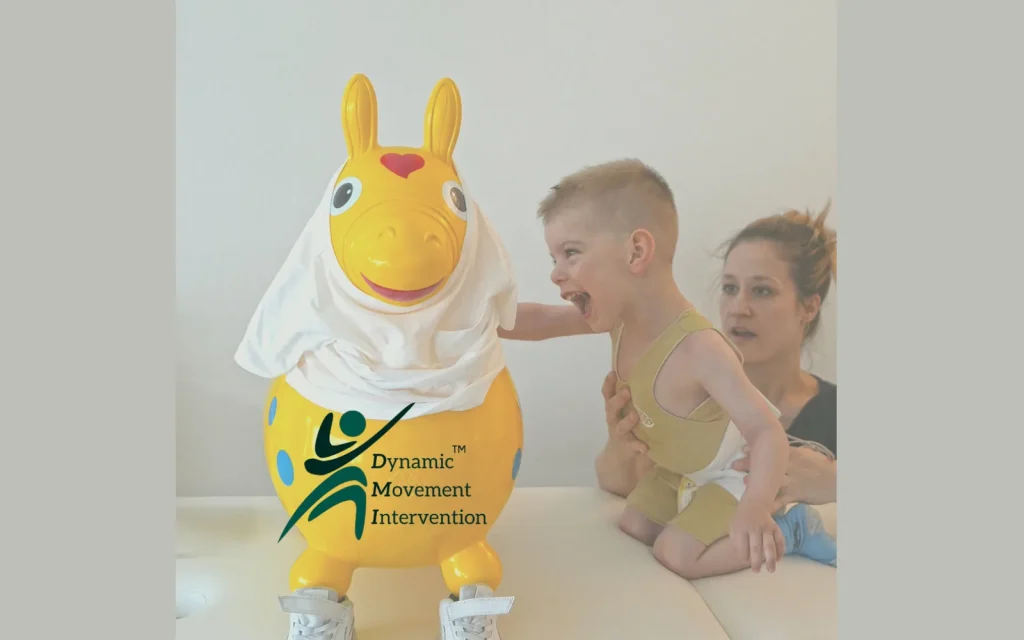
A first for Switzerland: Apexa QLA achieves DMI Level C certification
The first Swiss centre to reach DMI's highest tier — and what it means for your child.
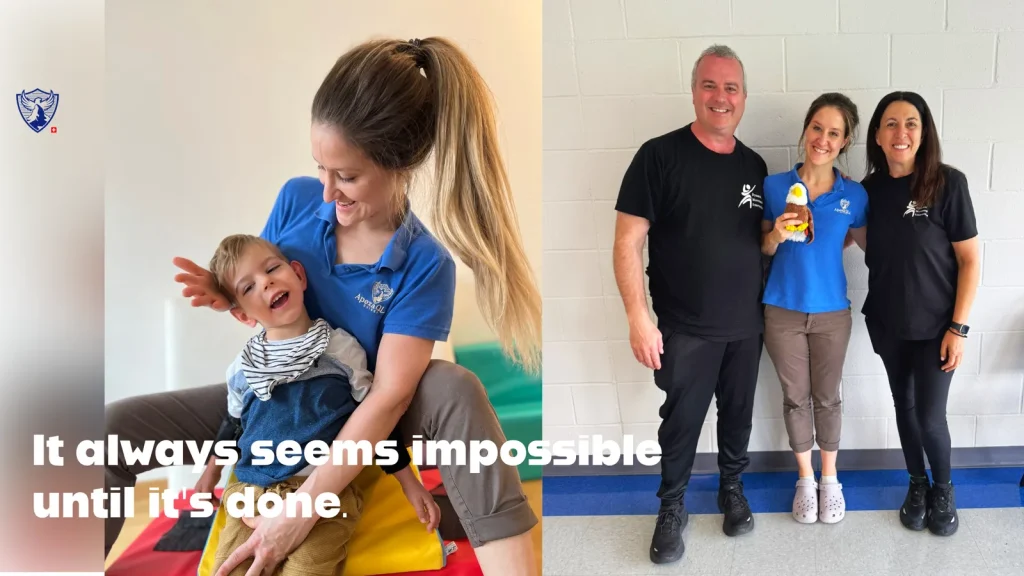
A DMI milestone for Europe: a rare certification comes to Switzerland
Fabienne Theler becomes Switzerland's first DMI Intermediate A therapist — one of a handful in Europe.
Two worlds, one goal: how our partnership with ORTHO-TEAM redefines paediatric therapy
Therapy plus orthopaedic precision — how the partnership redefines paediatric care, starting with TheraTogs.
Finding the best rehabilitation for your child: why families choose Apexa QLA Suisse
Why families from around the world choose our Lake Zug centre — and what to look for anywhere.
The ORCA FAQ: your questions, answered
Twenty real parent questions about ORCA — sessions, intensives, costs — answered plainly.
DMI therapy: your questions, answered
Parents' most-asked DMI questions — what it is, who it helps, and how to start.
GMFM and Peabody: how motor tests help your child
What the two motor assessments measure and how scores become a therapy plan.
What is Apexi Dynaflex casting — and how can it help my child?
A light cast your child can walk and train in — how it works, who it suits, what it costs.
What are TheraTogs?
The wearable postural system explained — how it works, who it helps, and how to get fitted.
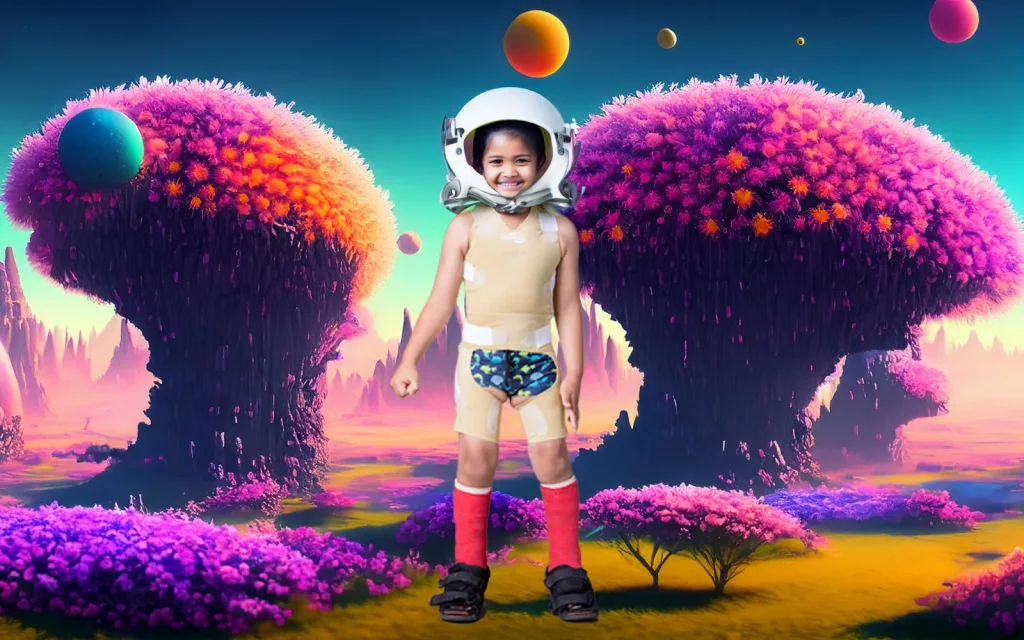
TheraTogs: your partner in therapy and rehabilitation
The four main uses of TheraTogs, the science behind them, and why they pair well with DMI.
TheraTogs: an effective therapy option for all ages
How wearable therapy works and who it helps, from toddlers to adults after stroke.

The power of DMI: understanding reflexes and cerebral palsy
Primitive reflexes, why they linger in cerebral palsy, and how DMI helps the brain rewire.

Paediatric physiotherapy: a path to optimal development
When physio is the right call for a child, the approaches used, and why parents are on the team.

Supporting development: physiotherapy for children
Child-centred physio: individual plans, DMI, TheraTogs and vibration, with parents as co-therapists.
Why does the world spin? A look into vertigo
What vertigo feels like, its common causes, and how vestibular physiotherapy brings relief.
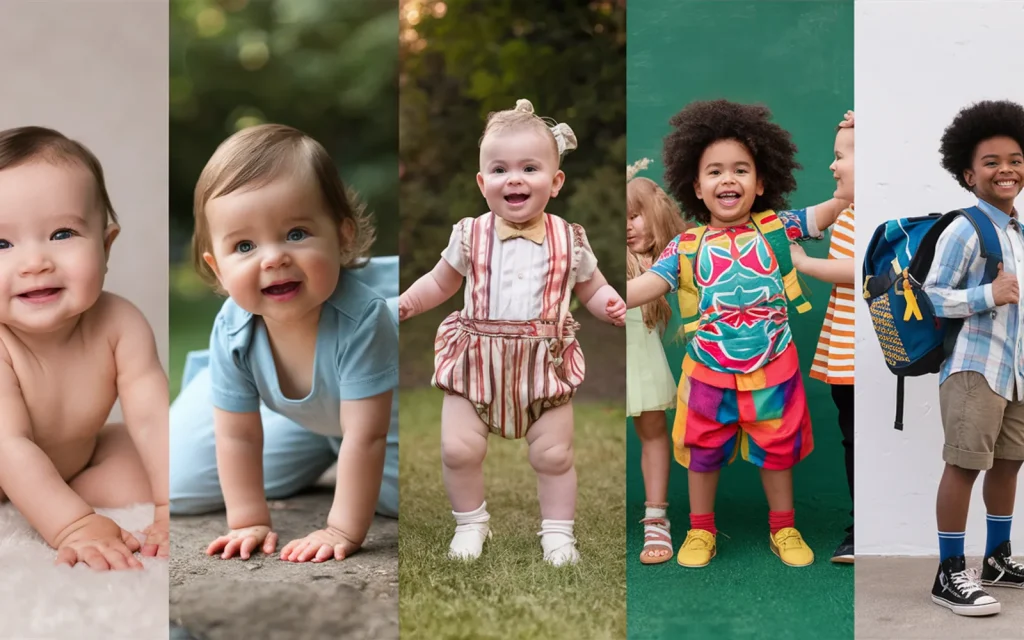
Developmental delays in children: a parent’s guide
Milestones, red flags and what genuinely helps when your child needs more support.
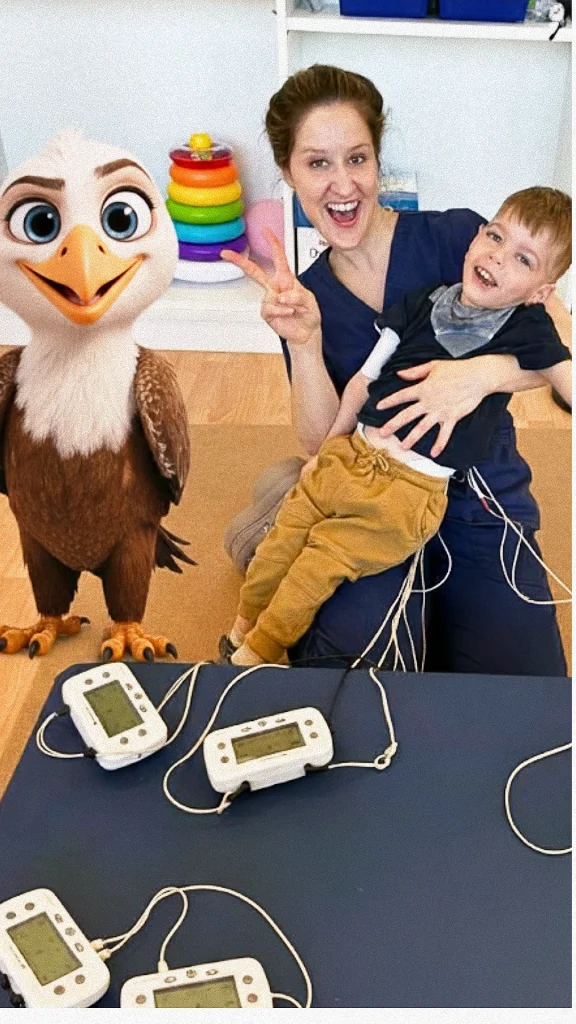
Cerebral palsy: a comprehensive guide for parents and carers
CP explained plainly — signs, causes, diagnosis, treatment and real grounds for hope.
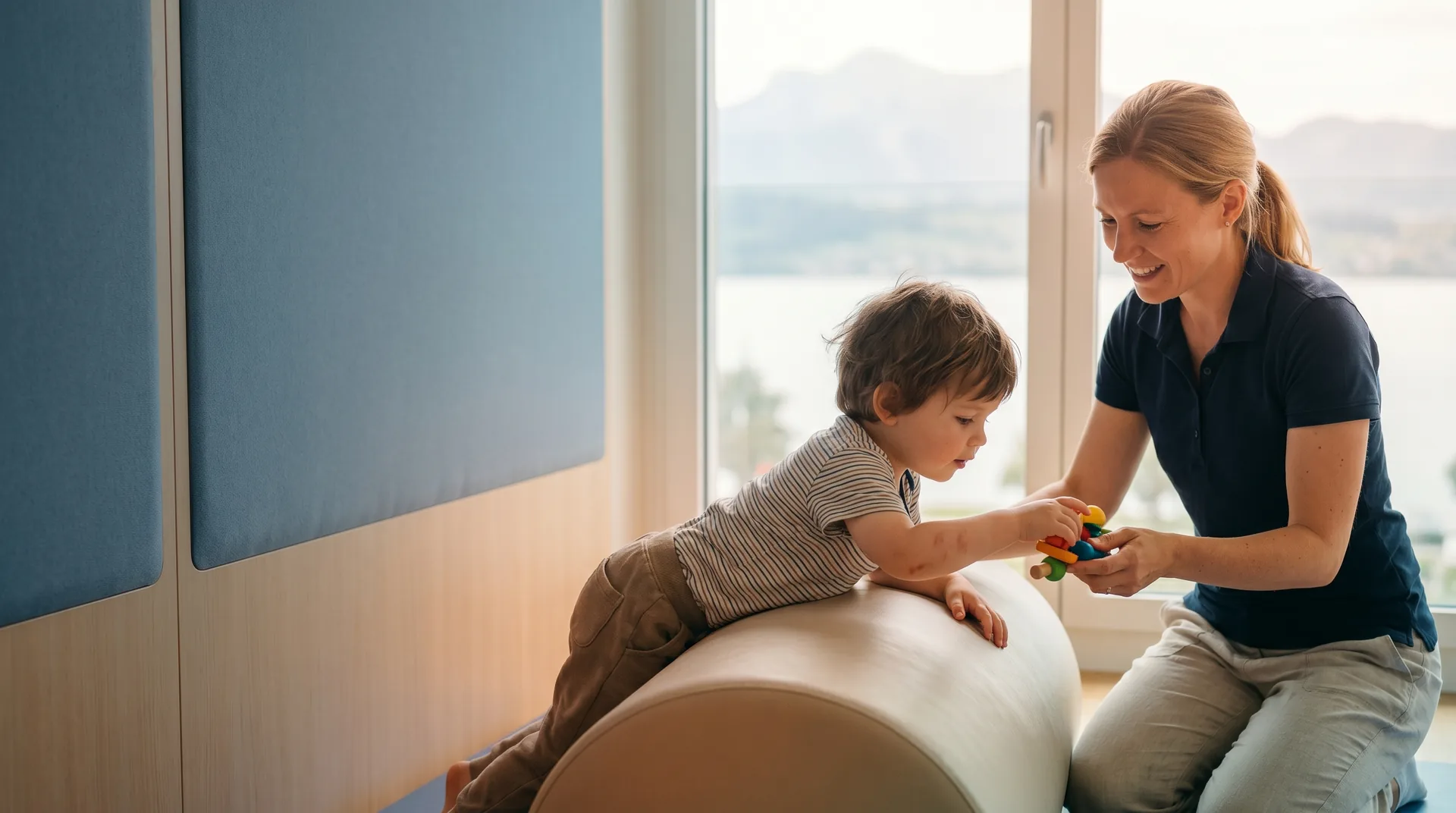
Down syndrome · early care
Low muscle tone is the central motor challenge in Trisomy 21 — and the first 24 months can change the trajectory.
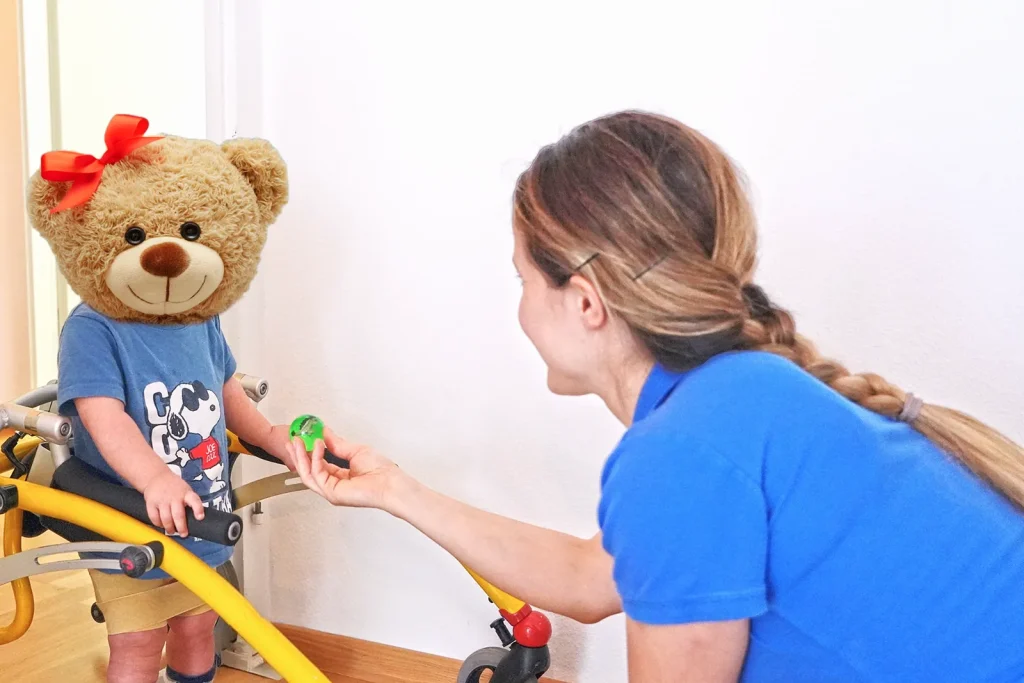
Well prepared: from the first appointment to an intensive
What to bring and how to pace the day — for weekly sessions and intensive weeks alike.
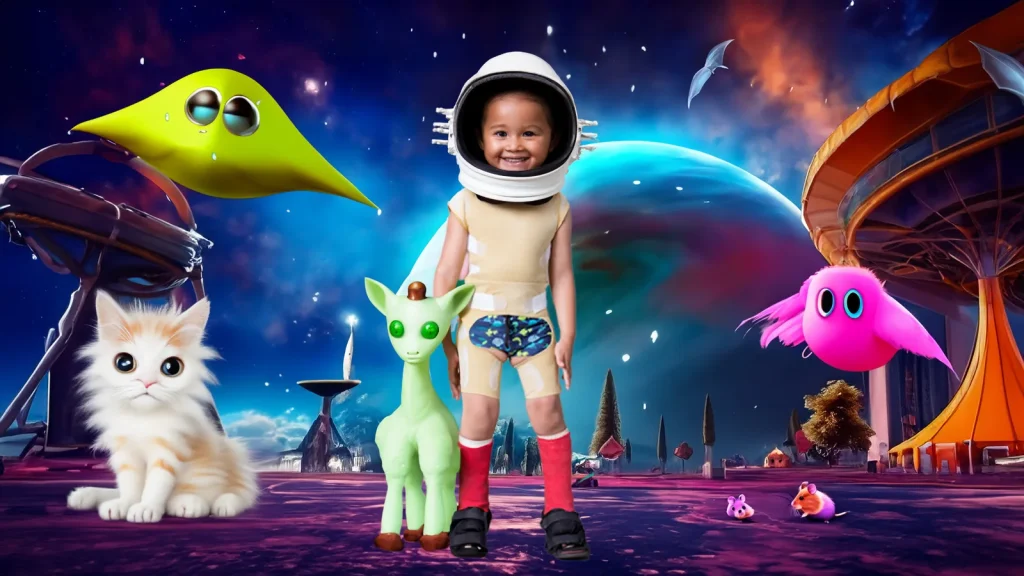
Buying TheraTogs made easy: tips for a smooth process
The four steps from free intro call to your child wearing TheraTogs at home.
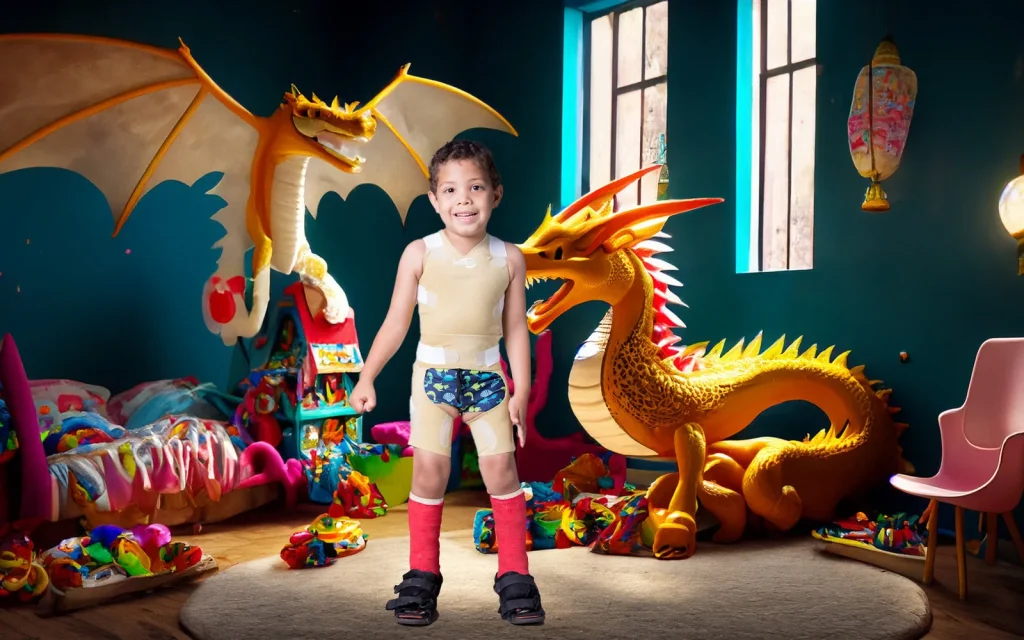
Keeping cool in TheraTogs on hot summer days
Six parent-tested ways to keep a child cool in TheraTogs — including what you may safely cut.
Deducting therapy costs the smart way
How Swiss families deduct self-paid therapy costs — thresholds, a worked example, the paperwork.
Ezekiel bread: the complete encyclopedia
The protein-rich grain-and-legume bread — history, nutrition and the full base recipe.
Case study: significant motor progress after two DMI intensives
A boy's GMFM-66 rose 15.2 points across two six-day blocks — ten times the expected progress.
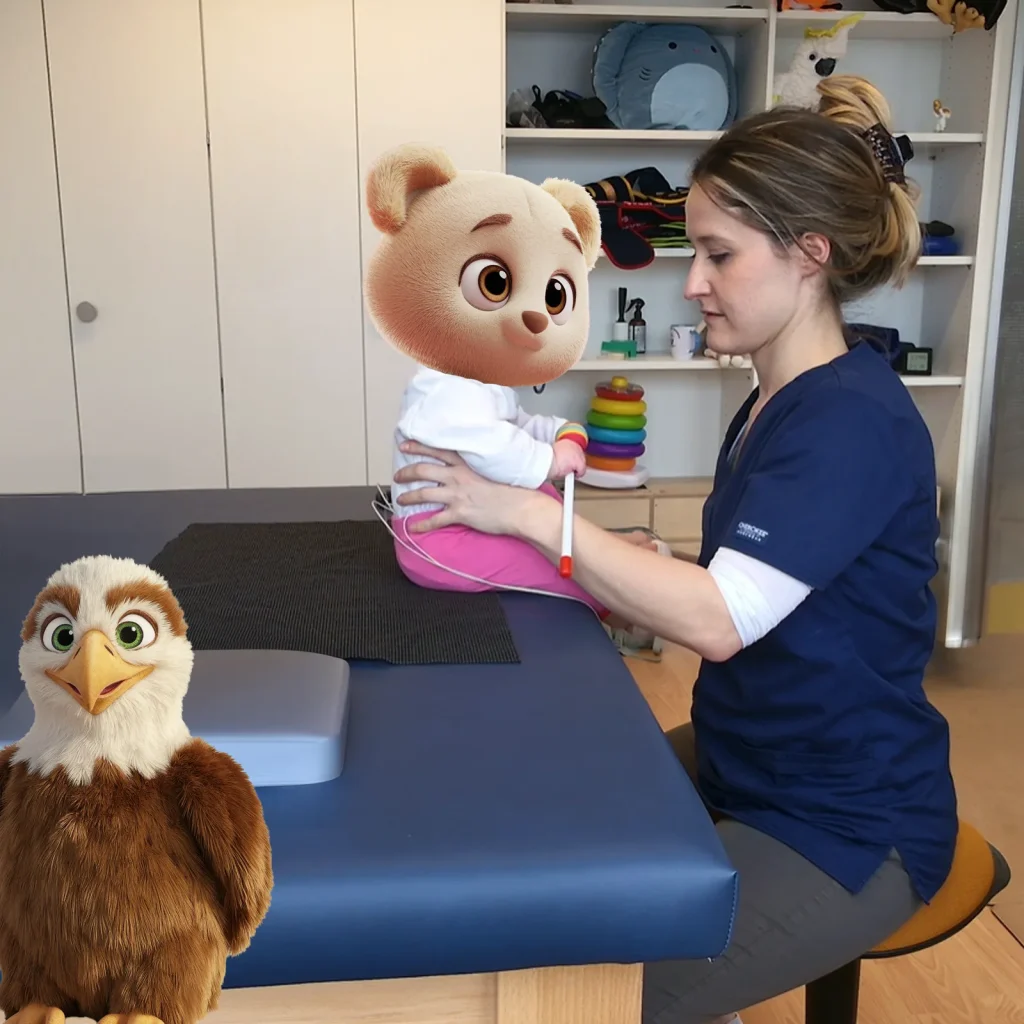
Our little patient’s progress: inside her DMI intensive
A one-year-old's GMFM-66 nearly doubled — with new movement and new ways to communicate.
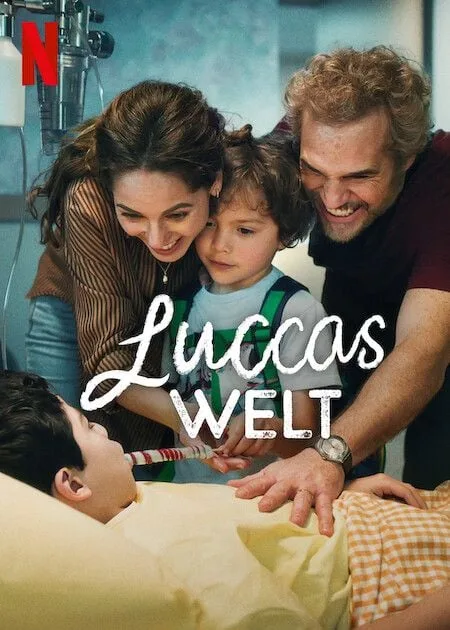
Thoughts on Lucca’s World
Reflections on the Netflix film about a mother's fight for her son — and the real journeys it mirrors.
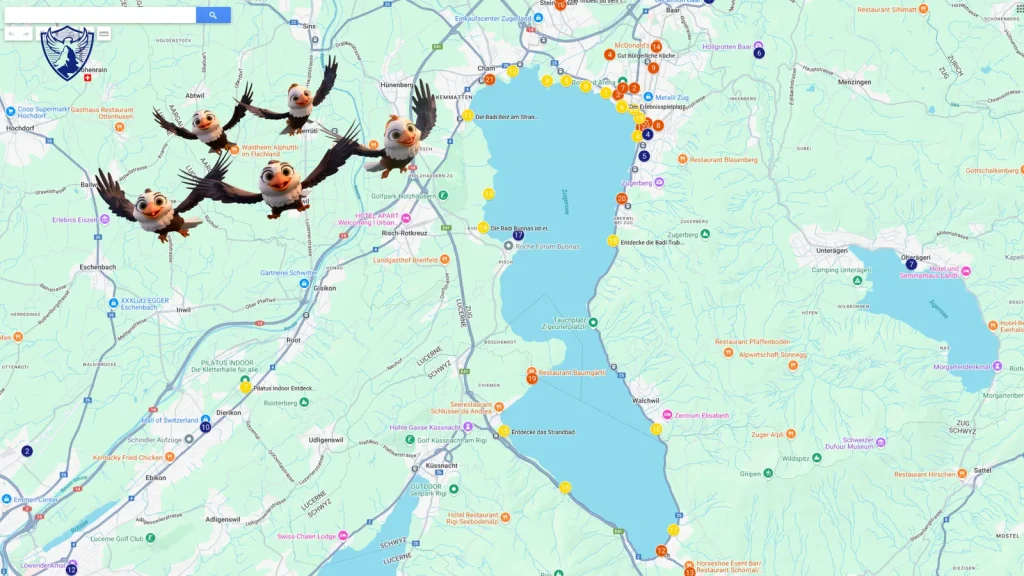
Your family compass: discover the Lake Zug region with our interactive map
Our interactive map of Lake Zug: stays, food, rainy-day rescues, lidos and day trips.
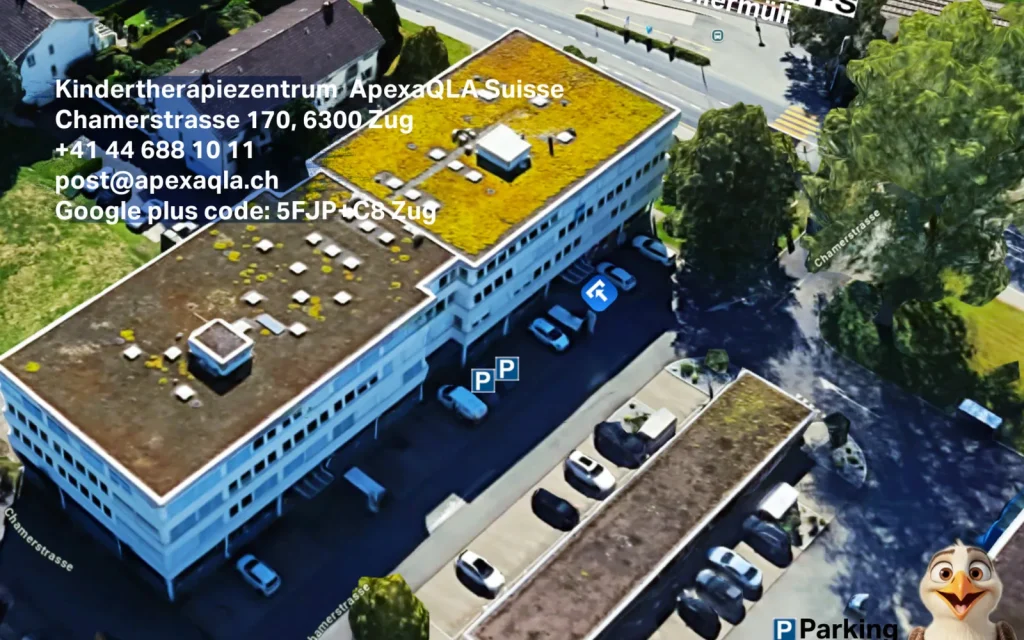
Finding us in Zug
Everything for a smooth arrival — address, parking, train times and airport transfers.